Landscape Water Diversion Services Overview
Visitors will learn about landscape water diversion services and how local contractors can help manage water flow on their property.
- - Residential property owners seeking to manage water flow and prevent erosion on lawns and gardens.
- - Commercial or agricultural sites needing effective water diversion solutions for large-scale land management.
- - Landscape professionals and contractors looking to connect with local service providers for specialized water diversion projects.
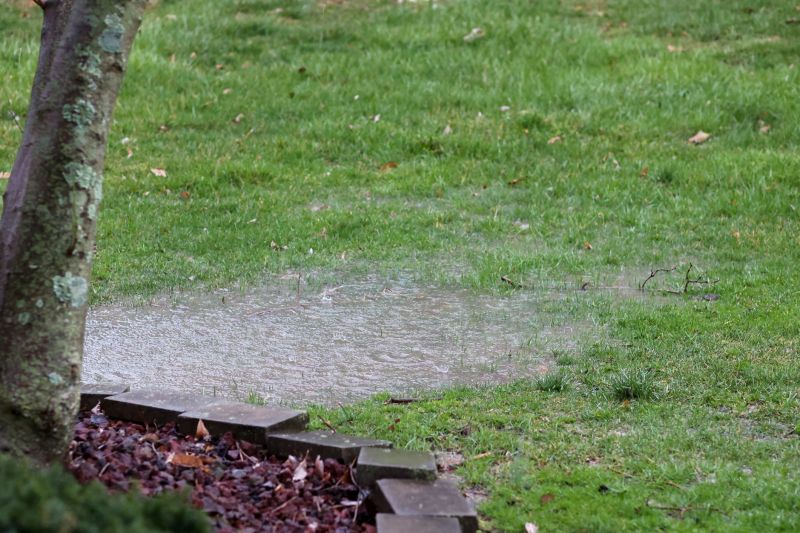
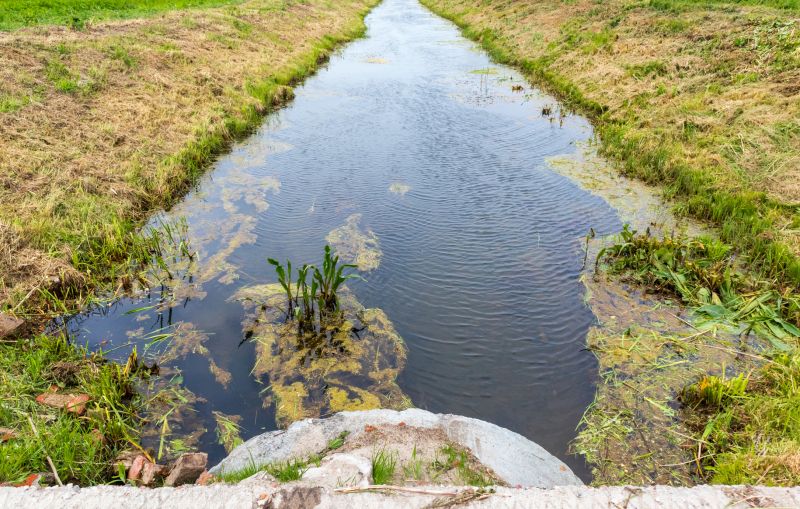
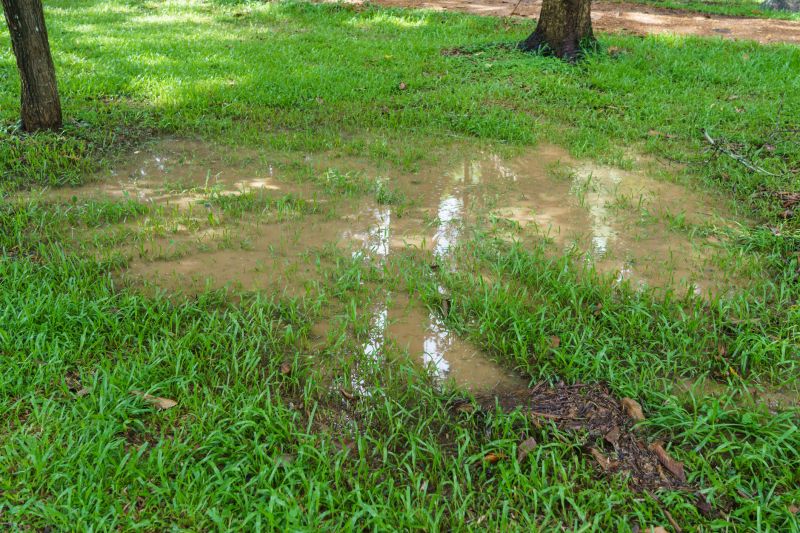
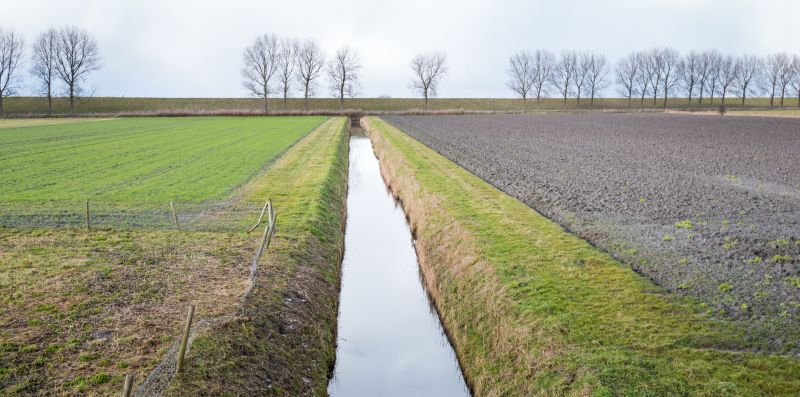
Landscape water diversion services involve redirecting excess water away from properties to prevent flooding, erosion, and water damage. Property owners often seek out local contractors who specialize in installing drainage systems, including French drains, swales, and channeling solutions. These professionals assess the landscape to identify problem areas and implement effective water management techniques tailored to the specific site conditions, helping to protect landscaping, foundations, and outdoor structures.
Connecting with experienced local service providers ensures that property owners receive practical solutions for managing excess water runoff. These contractors handle a variety of tasks, from installing new diversion infrastructure to repairing existing systems. By working with local pros, property owners can find the right expertise to address their water management needs efficiently and effectively, ensuring their outdoor spaces remain functional and protected against water-related issues.
This guide provides useful information to help individuals compare and connect with nearby service providers specializing in landscape water diversion. It offers insights to assist in understanding project options and sharing essential details with local contractors. The goal is to support informed decisions when planning water diversion services in your area.